
Exploring the intricate network of Jueteng, an illegal numbers game in the Philippines, and its socio-economic implications.
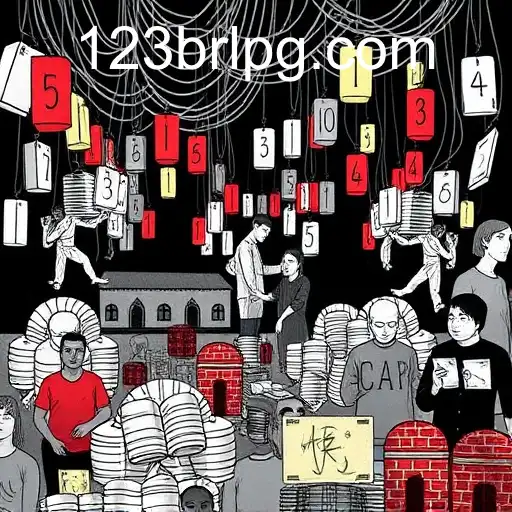
The Intricate Network of Jueteng: An In-Depth Exploration
Jueteng, a numbers game deeply rooted in Filipino culture, continues to thrive despite efforts to eradicate it. This illegal form of gambling has been part of the socio-economic landscape in the Philippines for decades, functioning both as a livelihood for some and a socio-political issue for many. Understanding the dynamics of Jueteng is crucial for grappling with its implications and the pervasive influence it wields within communities.
What is Jueteng?
Jueteng is a numbers game that traces its origins back to China. It involves players betting on a combination of numbers, which is then drawn at random. In the Philippines, it has evolved into an underground enterprise that is both a source of income for marginalized communities and a lingering concern for law enforcement and policymakers.
The mechanics of Jueteng are simple yet alluring to players. The bettor chooses a number combination, usually two or three numbers, and places a wager. If the numbers match the draw, the bettor wins a prize. While at first glance it appears similar to a lottery, Jueteng operates entirely outside the boundaries of legality, making it difficult for authorities to control.22FUN
The Economic Impact of Jueteng
For many impoverished Filipinos, Jueteng represents a glimmer of hope amid financial hardship. It provides a potential avenue for quick money, albeit with low odds of winning. The economic allure of Jueteng is compounded by its accessibility; bets can be as low as one peso, making it attractive to those with limited means.96A
However, the economic impact is not limited to bettors. Jueteng sustains a vast network of employees, from collectors known as "kubrador" to those managing the draws and payouts. This informal economy plays a significant role in providing livelihoods, albeit precarious, for many individuals in rural and urban areas alike.
The Social Dynamics of Jueteng
Jueteng's roots reach deep into the social fabric of Filipino communities. Its operations often involve intricate networks of trust and collaboration, with community members acting as intermediaries between bettors and operators. This network is both a strength and a vulnerability; while it fosters a sense of community involvement, it also binds participants in a cycle that is difficult to break.
The game's ubiquity has fostered a complex relationship with local authorities and leaders. In some cases, Jueteng operators hold sway in political circles, leveraging their influence to maintain the game's existence. Conversely, there are instances where law enforcement cracks down on Jueteng as a means of demonstrating efforts against illegal gambling, though often these actions are sporadic and ineffective.2R
Jueteng and Corruption
A significant issue intertwined with Jueteng is corruption. The game's persistence is partly due to the complicity of some officials who either turn a blind eye or actively partake in the illicit profits. This corruption extends into various levels of governance, providing a shield for Jueteng operations and complicating reform efforts.
The relationship between Jueteng and corruption creates a systemic challenge. Efforts to legalize or regulate gambling in the Philippines often face resistance, partly because Jueteng revenues informally finance political and social activities. This illicit flow of money undermines official channels of governance and stifles progress towards transparent and accountable public institutions.
123brl.com: Addressing Gambling in Contemporary Society
As society progresses, addressing the issue of illegal gambling becomes increasingly pertinent. Platforms such as 123brl.com highlight the growing trend towards regulated online gambling, offering legal and safe alternatives to games like Jueteng. Such platforms provide an opportunity to channel the public's interest in gaming into avenues that contribute to economic development while ensuring player protection.
By shifting the focus towards regulated gambling, the potential for revenue generation is significant. This transition not only promises governmental tax revenue but also creates a safer and more controlled environment for players. However, the cultural entrenchment of Jueteng remains a formidable hurdle.
The Future of Jueteng in the Philippines
Jueteng's persistence in Filipino society underscores a broader issue of socio-economic disparity and the need for effective policy solutions. Addressing this requires a multifaceted approach, involving community education, alternative livelihood opportunities, and stringent enforcement of gambling regulations.
Ultimately, dismantling the Jueteng network necessitates both top-down and bottom-up strategies. From legislative reform and anti-corruption measures to grassroots education campaigns, the road ahead requires coordinated effort and political will. While the allure of quick money and deep-seated cultural acceptance pose challenges, a concerted push towards legitimate platforms like 123brl.com offers a glimpse of what the future could hold for both Filipino society and its struggle with illegal gambling.7359.com
3z.com